
The Ultimate Guide to Streaming: Everything You Need to Know
What is streaming? Streaming has fundamentally changed how we enjoy music, movies, and live events in the digital era. No more waiting for lengthy downloads—streaming gives you instant access to your favorite content, wherever you are. In this guide, you’ll discover what streaming is, how it works, its main advantages, and the different types available. By the end, you’ll understand why streaming has become essential for modern entertainment and information.
Understanding What Streaming Is
Streaming refers to the continuous transmission of audio or video files from a server to a client device. Unlike downloading, streaming allows you to access content immediately, without waiting for the entire file to finish transferring.
The Basics of Streaming Technology
Streaming works by breaking files into small data packets sent over the internet. Your device plays these packets as they arrive, enabling real-time playback and reducing delays or buffering.
Streaming in Everyday Life
Streaming is everywhere: watching YouTube tutorials, listening to a podcast on Spotify, or joining a live webinar. Its speed and convenience have made it the default way to consume media online.
How Does Streaming Work?
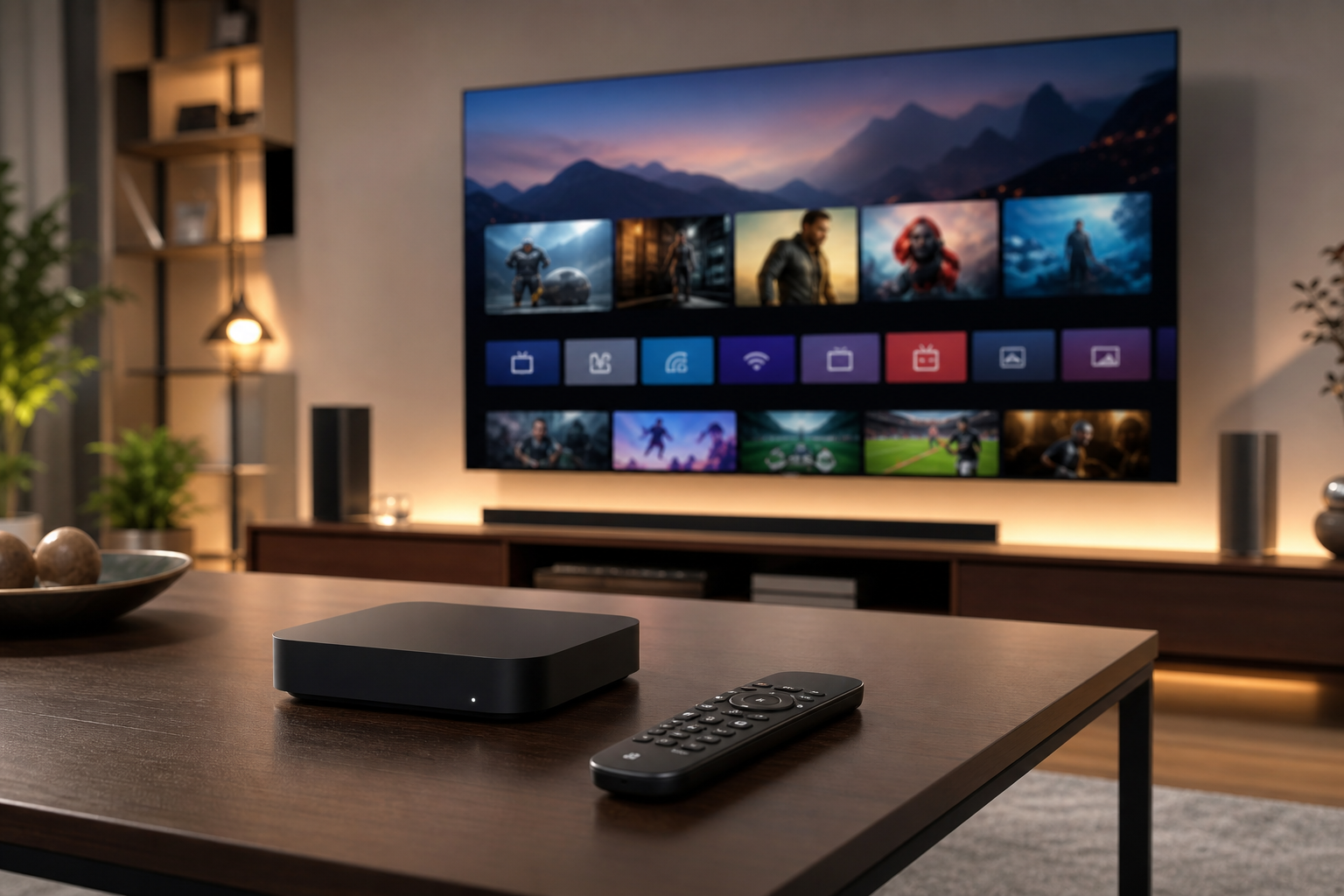
Streaming uses a client-server model. The server hosts the media, while the client (your device) requests and plays it. Reliable internet and specific protocols are essential for smooth delivery.
Common Streaming Protocols
- HTTP Live Streaming (HLS): Used by platforms like Apple TV and many live broadcasters.
- Real-Time Messaging Protocol (RTMP): Popular for live video, especially on Twitch and Facebook Live.
Buffering and Data Flow
Buffering temporarily stores a portion of data to ensure smooth playback, even if your connection fluctuates. This minimizes interruptions and keeps your experience seamless.
Types of Streaming
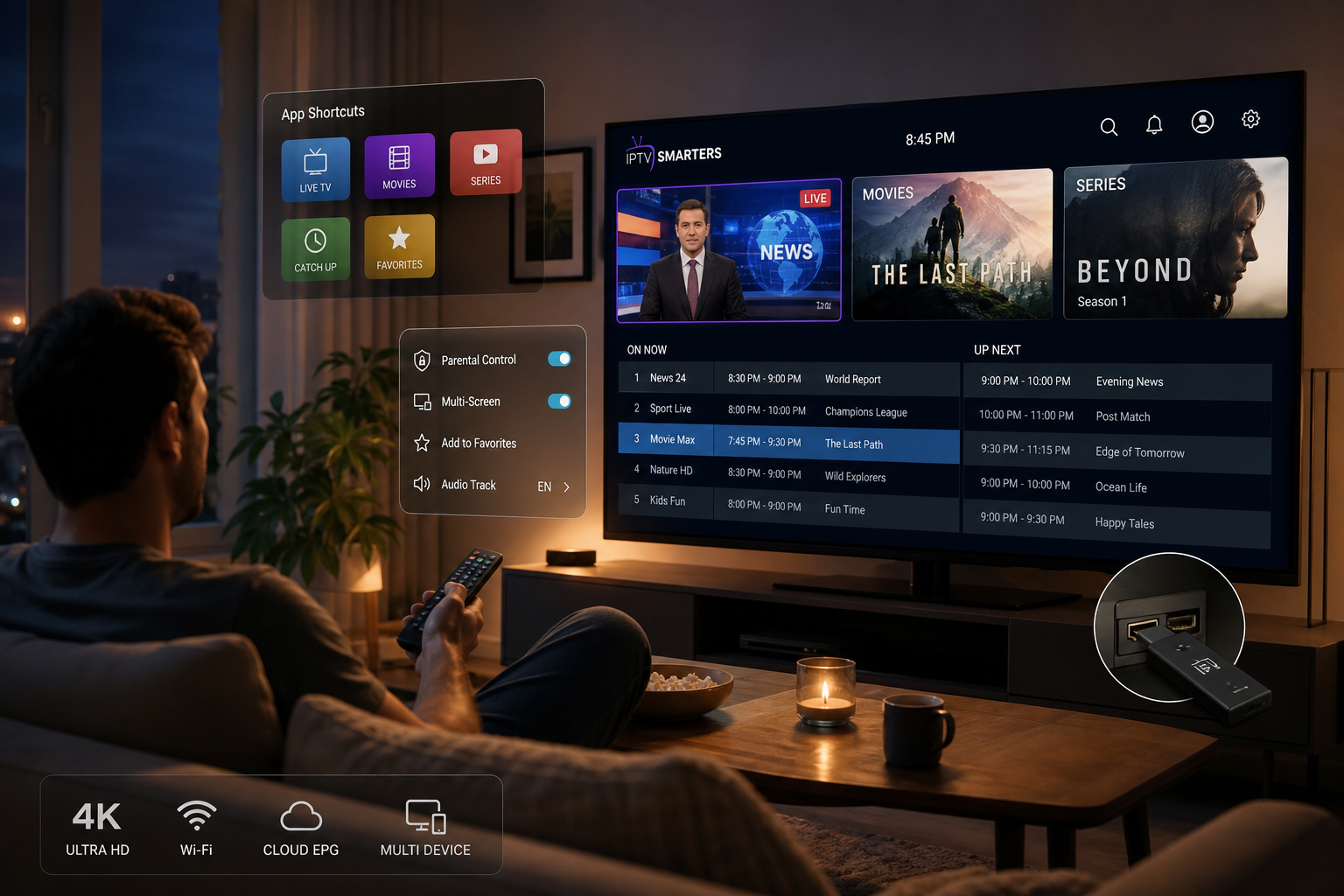
There are several types of streaming, each catering to different needs and preferences.
Live Streaming
Live streaming delivers content in real time, such as sports matches, concerts, or live gaming sessions. Platforms like Twitch and YouTube Live are popular for live broadcasts.
On-Demand Streaming
On-demand streaming lets you access pre-recorded content whenever you want. For example, Netflix and Hulu offer extensive libraries of movies and shows to watch at your convenience.
Streaming vs Downloading
Both streaming and downloading provide access to digital content, but they differ significantly in how they deliver and store media.
Key Differences
- Streaming: Plays content instantly without saving it permanently on your device.
- Downloading: Requires waiting for the full file to transfer before playback and stores the file locally for offline use.
Pros and Cons
- Streaming: Convenient, saves storage space, but needs a stable internet connection.
- Downloading: Allows offline access, but takes up device storage and requires waiting for downloads to complete.
Popular Streaming Services
Many platforms offer streaming services, each with unique features and content libraries.
Video Streaming Platforms
- Netflix: Movies, TV shows, and original series.
- Amazon Prime Video: Blockbusters, exclusives, and TV series.
- Disney+: Family-friendly movies and classics.
Music and Audio Streaming
- Spotify: Music, podcasts, and personalized playlists.
- Apple Music: Large music catalog and exclusive releases.
- SoundCloud: Independent artists and unique audio content.
Benefits and Challenges of Streaming
Streaming offers many advantages, but it also comes with a few challenges to consider.
Advantages of Streaming
- Instant access to a wide range of content.
- Flexibility to watch or listen on multiple devices.
- Reduced need for device storage.
- Creators can reach global audiences easily.
Potential Drawbacks
- Depends on internet quality and speed.
- Can consume significant data, especially for HD or 4K video.
- Occasional buffering or drops in quality during peak times.
Frequently Asked Questions
What is streaming and how does it work?
Streaming is the real-time delivery of audio or video over the internet, letting users access content instantly without downloading the entire file.
What are some examples of streaming services?
Popular examples include Netflix, Spotify, YouTube, Hulu, Amazon Prime Video, and Twitch.
Is streaming better than downloading?
Streaming is convenient and saves storage space but requires a stable internet connection. Downloading is better for offline use.
Can you stream without an internet connection?
No, streaming requires an active internet connection to deliver content in real time.
Does streaming use a lot of data?
Yes, especially for high-definition video. Data usage depends on content quality and how long you stream.
What is the difference between live streaming and on-demand streaming?
Live streaming broadcasts content in real time, while on-demand streaming lets users access pre-recorded content whenever they choose.
Conclusion
Streaming has reshaped how we access and enjoy digital content, making entertainment and information more accessible than ever. Whether you’re discovering new music, catching up on your favorite shows, or tuning into live events, understanding what is streaming helps you get the most out of your online experiences. Ready to dive in? Explore a streaming service and unlock a world of instant entertainment today.
Articles liés
- What are TV box? Complete Guide to Streaming Devices
- 4ktv box: The Ultimate Guide to 4K Streaming Devices
- Limitless Amazon IPTV: The Ultimate Streaming Solution
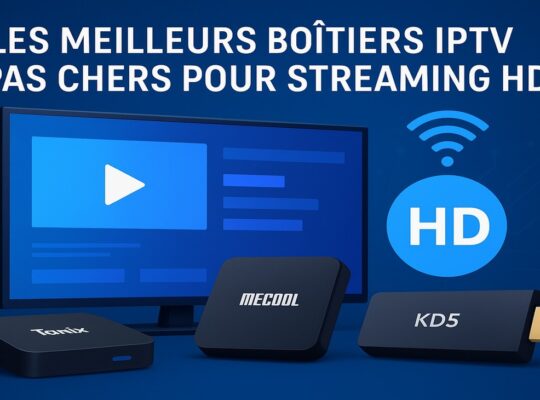
- The best cheap IPTV boxes for HD streaming
- Android TV for Movies: The Ultimate Home Cinema Experience
Questions fréquentes
Qu'est-ce que le streaming et comment fonctionne-t-il ?
Le streaming est la transmission continue de fichiers audio ou vidéo d’un serveur vers un appareil client. Contrairement au téléchargement, il permet d’accéder instantanément au contenu sans attendre la fin du transfert du fichier.
Quelle est la différence entre le streaming et le téléchargement ?
Le streaming permet de lire un contenu immédiatement sans le stocker de façon permanente sur l’appareil, tandis que le téléchargement nécessite de transférer le fichier en entier avant de pouvoir le lire et l’enregistrer localement pour un usage hors ligne.
Quels sont les principaux types de streaming disponibles ?
Il existe principalement le streaming en direct, qui diffuse du contenu en temps réel comme des matchs ou des concerts, et le streaming à la demande, qui permet d’accéder à des contenus préenregistrés à tout moment, comme sur Netflix ou Hulu.
Quels sont les avantages du streaming ?
Le streaming offre un accès instantané à une large gamme de contenus, la flexibilité de visionner ou d’écouter sur plusieurs appareils et réduit le besoin de stockage sur l’appareil. Il permet aussi aux créateurs de toucher un public mondial facilement.
Quels sont les inconvénients potentiels du streaming ?
Le streaming dépend de la qualité et de la vitesse de la connexion internet, peut consommer beaucoup de données, surtout en HD ou 4K, et peut parfois entraîner des interruptions ou du buffering.
Quels protocoles de streaming sont couramment utilisés ?
Les protocoles courants incluent le HTTP Live Streaming (HLS), utilisé par Apple TV et de nombreux diffuseurs en direct, et le Real-Time Messaging Protocol (RTMP), populaire pour la vidéo en direct sur des plateformes comme Twitch et Facebook Live.
Quels sont des exemples de services de streaming populaires ?
Parmi les plateformes vidéo, on trouve Netflix, Amazon Prime Video et Disney+. Pour la musique et l’audio, il y a Spotify, Apple Music et SoundCloud.