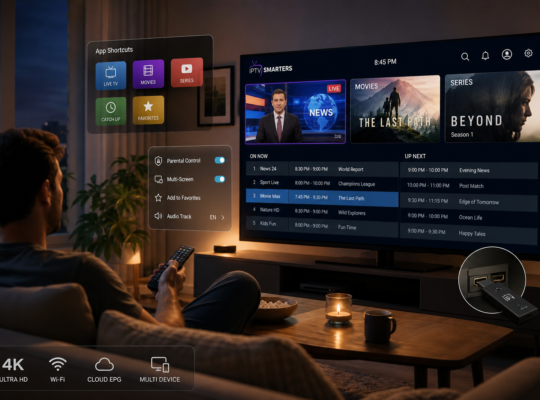


Streaming Definition: What Does Streaming Mean?
Streaming meaning is a term that shapes how we experience digital content every day. Whether you watch movies, listen to music, or join live broadcasts online, understanding what streaming truly means helps you make the most of today’s media landscape. In this article, discover the real meaning of streaming, how it works, its different forms, and how it has transformed entertainment and communication.
What Is the Meaning of Streaming?
Streaming is the real-time delivery of audio, video, or other media over the internet, allowing you to access content instantly without waiting for the whole file to download. This technology makes it easy to enjoy media on demand, whether you’re at home or on the go.
Origins of Streaming
Streaming technology began in the 1990s as internet speeds improved. Early examples included online radio broadcasts and short video clips, which laid the foundation for today’s advanced streaming services.
How Streaming Differs from Downloading
Unlike downloading, where files are saved to your device before you can use them, streaming sends data in a continuous flow. This means you can start watching or listening right away, without using much storage space.
Types of Streaming Services
There are several types of streaming services, each designed for specific content and user preferences.
- Video Streaming: Platforms like Netflix, YouTube, and Hulu let you watch movies, TV shows, and video clips instantly, often with recommendations tailored to your tastes.
- Audio and Music Streaming: Services such as Spotify and Apple Music offer millions of songs and podcasts that you can listen to on demand, without downloading.
- Live Streaming: Platforms like Twitch, Facebook Live, and Instagram Live allow real-time broadcasting of events, gaming, and personal interactions.
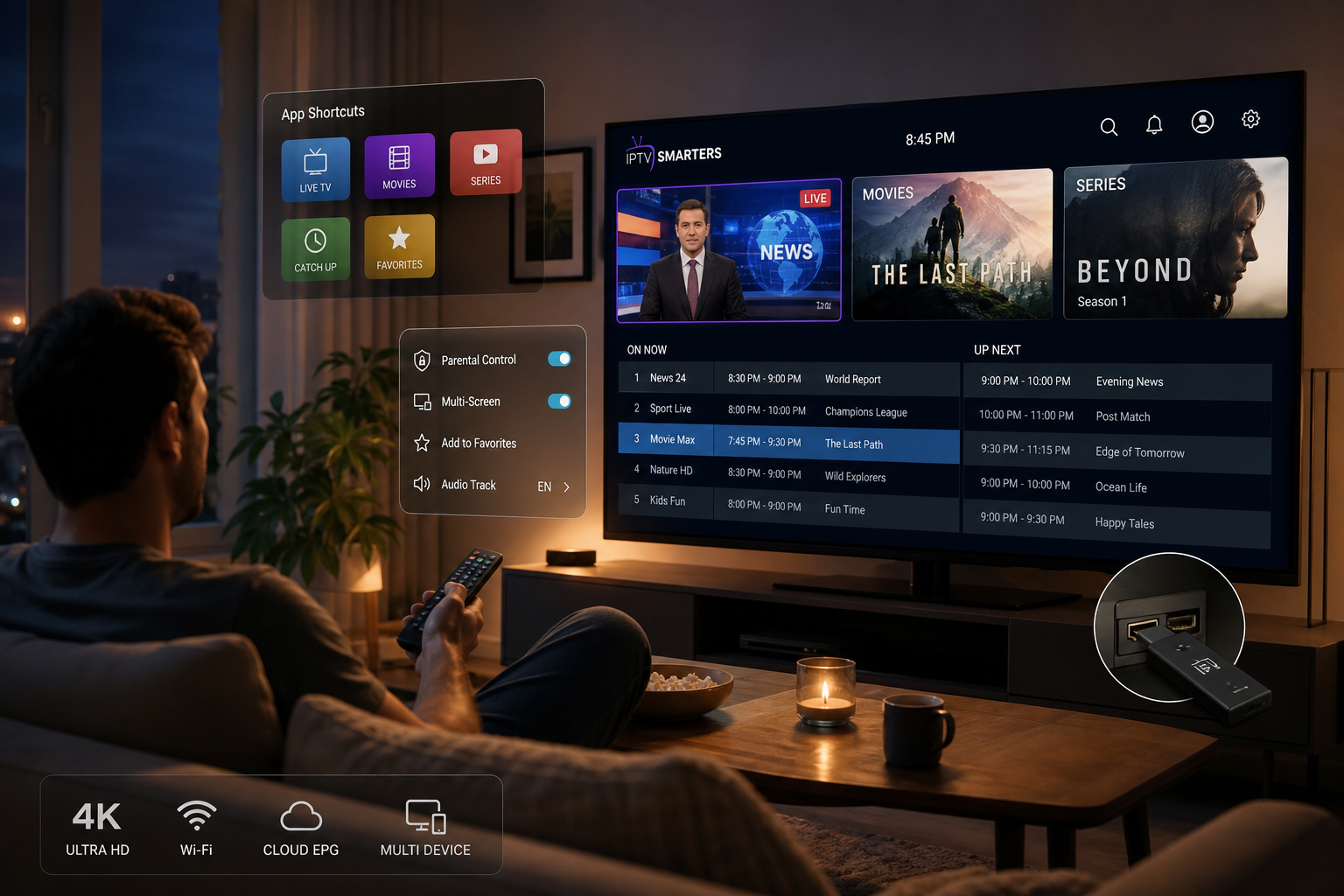
How Does Streaming Work?
Streaming relies on fast internet connections and powerful servers to deliver content smoothly. Data is sent in small packets and played back in real time on your device.
Streaming Protocols
Protocols like HTTP Live Streaming (HLS) and Real-Time Messaging Protocol (RTMP) help ensure smooth data transmission, adjusting quality based on your connection speed.
Buffering and Latency
Buffering stores a small part of the stream ahead of playback to prevent interruptions. Latency is the short delay between sending and playing the content.
Benefits of Streaming
Streaming offers many advantages over traditional media consumption:
- Convenience and Accessibility: Access content anytime, anywhere, on multiple devices without worrying about storage or long downloads.
- Personalization and Variety: Streaming platforms use algorithms to recommend shows, songs, or videos based on your preferences, giving you a broad selection tailored to you.
Live Streaming: Connecting in Real Time
Live streaming expands the streaming meaning by enabling real-time sharing of events, games, and conversations. It’s used for concerts, sports, educational events, and business meetings, making it a versatile tool for both entertainment and communication.
Challenges and Future of Streaming
While streaming is popular, it faces challenges such as bandwidth limits, copyright issues, and content regulation. The future of streaming promises ongoing innovation for better quality and wider access.
Improving Quality and Accessibility
Advancements in technology aim to deliver higher resolution, lower latency, and broader access to streaming services worldwide.
Emerging Trends in Streaming
New trends like interactive streaming, virtual reality, and AI-driven recommendations are shaping the next generation of streaming experiences.
Frequently Asked Questions
- What does streaming mean in simple terms?
Streaming means playing audio or video directly from the internet without downloading the entire file. - How is streaming different from downloading?
Streaming lets you access content instantly, while downloading requires saving the whole file before use. - What are some popular streaming platforms?
Popular platforms include Netflix, YouTube, Spotify, Twitch, and Hulu. - Do you need fast internet for streaming?
A faster internet connection ensures smoother streaming with less buffering, especially for high-definition content. - Is streaming legal?
Streaming from legitimate, licensed sources is legal. Accessing pirated streams is illegal and discouraged. - Can you stream on mobile devices?
Yes, most streaming services offer apps for smartphones and tablets, allowing access on the go.
Conclusion
Grasping the streaming meaning helps you navigate today’s digital world, where instant access to media is standard. Whether you’re enjoying movies, music, or live events, streaming connects you to endless content and new experiences. Explore various platforms and discover how streaming can enhance your entertainment and communication every day.
Related Articles
- What are TV box? Complete Guide to Streaming Devices
- Android TV for Movies: The Ultimate Home Cinema Experience
- 4ktv box: The Ultimate Guide to 4K Streaming Devices
- Box TV: Everything You Need to Know in 2024
- IPTV Firestick 2021: How to Install M3U Playlists Easily
Questions fréquentes
What does streaming mean in simple terms?
Streaming means playing audio or video directly from the internet without downloading the entire file. You can access content instantly as it is delivered in real time.
How is streaming different from downloading?
Streaming lets you access content instantly, as data is sent in a continuous flow and played back in real time. Downloading requires you to save the entire file to your device before you can use it.
What are the main types of streaming services?
The main types of streaming services are video streaming (like Netflix and YouTube), audio and music streaming (such as Spotify and Apple Music), and live streaming (including Twitch and Facebook Live). Each type offers different content and user experiences.
How does streaming work technically?
Streaming works by sending data in small packets over the internet, which are played back in real time on your device. Protocols like HLS and RTMP help ensure smooth delivery and quality based on your connection speed.
What is buffering and why does it happen during streaming?
Buffering stores a small part of the stream ahead of playback to prevent interruptions. It helps maintain smooth playback even if there are minor delays in data transmission.
What are the benefits of streaming compared to traditional media?
Streaming offers convenience and accessibility, allowing you to access content anytime, anywhere, on multiple devices without long downloads or storage concerns. It also provides personalized recommendations and a wide variety of content.
What is live streaming and how is it used?
Live streaming is the real-time broadcasting of events, games, or conversations over the internet. It is used for concerts, sports, educational events, and business meetings, enabling instant interaction and communication.
What challenges does streaming face today?
Streaming faces challenges like bandwidth limitations, copyright issues, and content regulation. However, ongoing technological advancements aim to improve quality and accessibility for users worldwide.